Beyond the Hype: Blockchain as an Operational Engine
— by
Steven Haynes
{
“title”: “Beyond the Hype: Blockchain as an Operational Engine”,
“meta_description”: “Move past the crypto speculation. Learn how blockchain infrastructure functions as a foundational system for operational integrity, transparency, and high-performance business strategy.”,
“tags”: [“blockchain for business”, “decentralized infrastructure”, “operational efficiency”, “business strategy”, “distributed ledger technology”, “corporate governance”],
“categories”: [“Business”, “Technology”],
“body”: “
The Myth of Decentralization in the C-Suite
Most business leaders view blockchain as a speculative asset class rather than an architectural shift. This perspective is a strategic blind spot. When you strip away the market volatility and the buzzwords, blockchain functions as a radical form of database management—one that solves the inherent trust deficit in complex, multi-party operations. If your operations rely on reconciling disparate ledgers, verifying identity across borders, or auditing supply chains, you are currently paying a ‘trust tax’ that blockchain can eliminate.
The Architecture of Irreversible Proof
The core value proposition of blockchain is the immutability of data. In traditional enterprise systems, data is centralized and mutable; the person with root access holds the power to rewrite history. Blockchain shifts the model to a shared, append-only state. For a leader focusing on execution, this means moving from a paradigm of ‘trusting a counterpart’ to ‘verifying the state of the system.’ This transition enables a new level of rigor in contract enforcement and auditability that manual processes simply cannot match.
Reframing Asset Integrity and Provenance
Industries burdened by opaque supply chains, such as luxury retail or pharmaceuticals, represent the most immediate utility for distributed ledger technology. By mapping physical goods to digital tokens on a chain, companies establish a permanent history of provenance. This is not just about anti-counterfeiting; it is about creating a data layer that makes decision-making faster and more accurate. When the lifecycle of an asset is transparent and verifiable, the need for intermediary validation—lawyers, brokers, and auditors—drops significantly. This creates an environment where lean, agile firms outmaneuver bureaucratic incumbents.
Operational Efficiency Through Smart Contracts
Smart contracts are self-executing scripts stored on a blockchain that trigger actions when conditions are met. They remove human latency from the transaction flow. In a high-performance firm, you should be asking where your processes are stalled by manual approval gates. If a workflow involves ‘if-then’ logic based on verifiable data—such as ‘if shipment arrives, then release payment’—that process is a candidate for automation. This is the intersection of AI and blockchain: where one models the intelligence of the decision, the other enforces the integrity of the transaction.
Building Resilient Systems
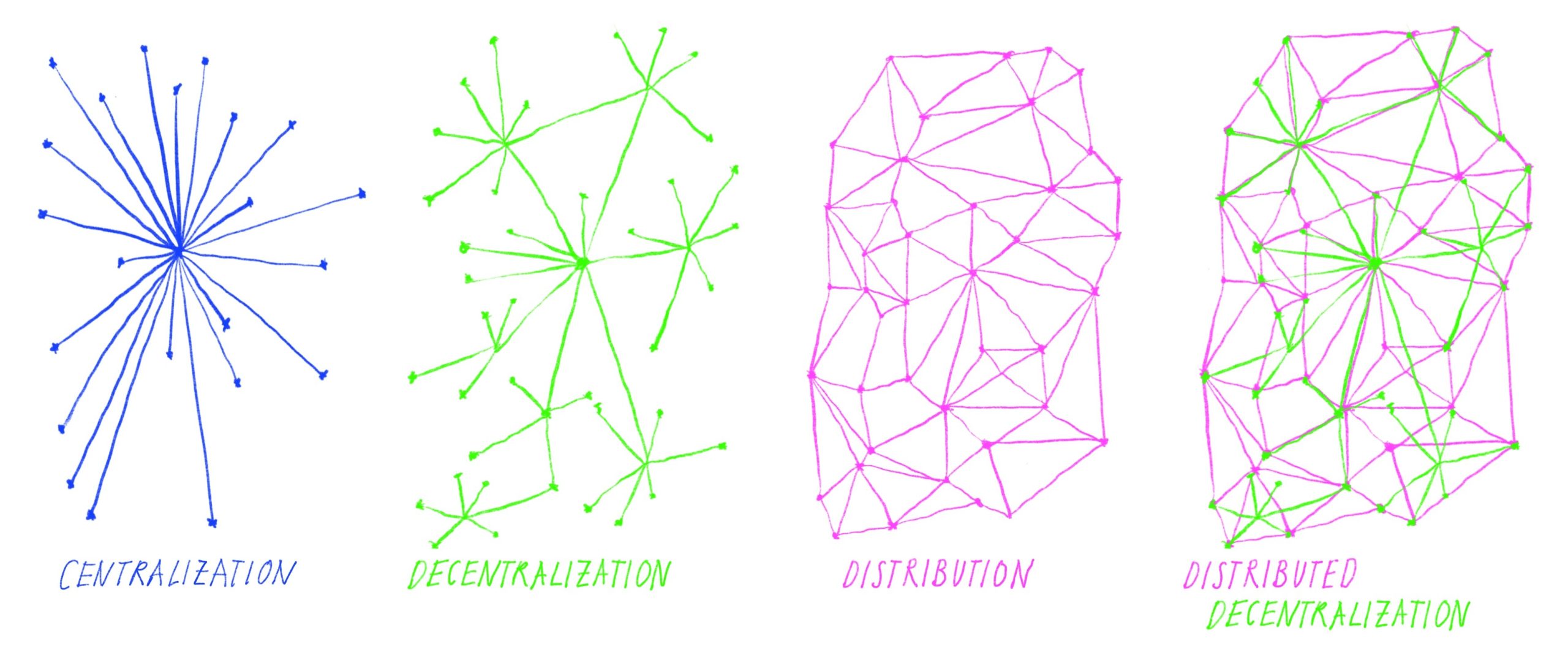
True strategy requires building systems that survive the failure of individual components. Decentralized infrastructure offers a path to build organizations that are less reliant on central points of failure. By distributing data, firms gain immunity from the single-server outages and internal data tampering that plague legacy environments. For more insights into optimizing your organization, explore the resources available at thebossmind.info to ensure your infrastructure aligns with your long-term vision.




Leave a Reply